
Basement Waterproofing Okemos
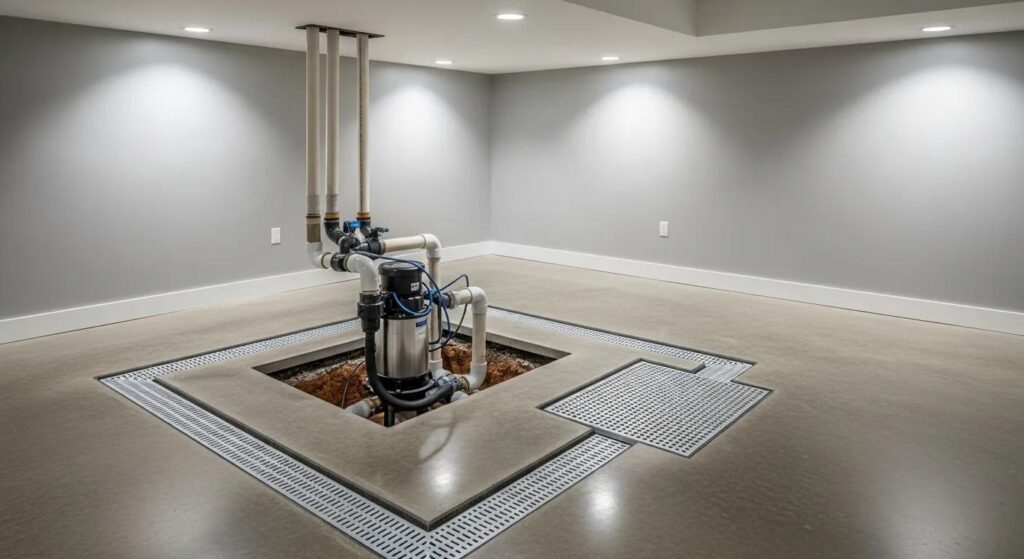
Basement Waterproofing Okemos: Effective Solutions for Wet Basement Repair and Foundation Protection
Basement waterproofing helps Okemos homeowners prevent water intrusion and foundation damage. This guide summarizes causes of wet basements, how cracks admit water, proven waterproofing methods, sump pump care, and steps to reduce mold risk so you can keep your home dry and safe.
What Are the Common Causes and Signs of Wet Basements in Okemos?
Wet basements in Okemos most often result from poor drainage, heavy rain, or foundation problems. Look for damp walls, musty odors, or visible mold. Prompt action reduces repair costs and lowers health risks from mildew.
How Do Foundation Cracks Lead to Water Intrusion?
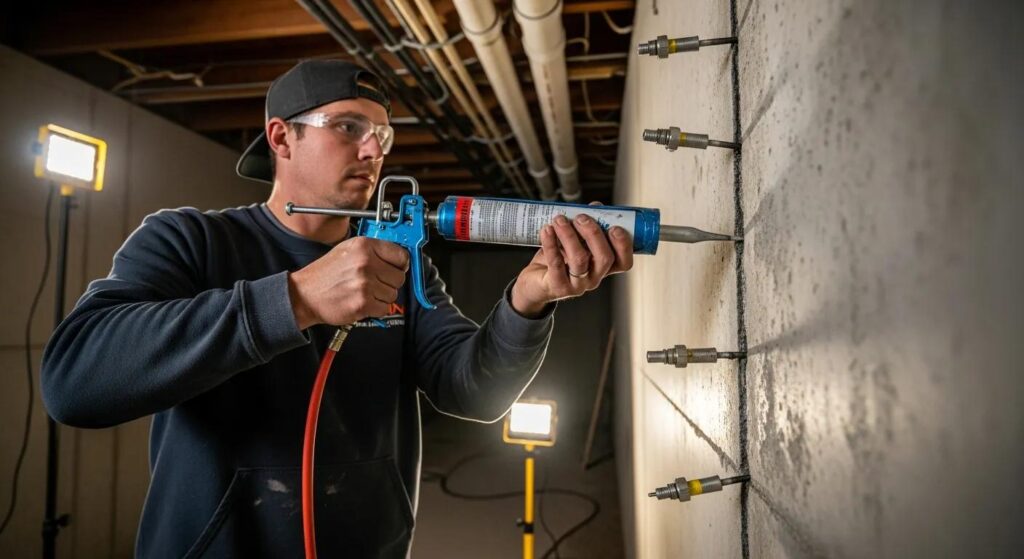
Foundation cracks let groundwater or vapor enter. Causes include soil settling, temperature shifts, or construction defects. Left unrepaired, cracks can promote mold and weaken structural stability; routine inspections and timely fixes limit damage.
Besides visible leaks, foundation cracks can allow vapor intrusion, which harms indoor air quality and health.
Foundation Cracks & Vapor Intrusion Health Risks
Vapor intrusion occurs when subsurface vapor contaminants move through soil and enter a building through foundation cracks, lowering indoor air quality. Predicting whether vapor intrusion will reach levels that pose health risks is difficult and depends on many factors.
Vapor intrusion in urban settings: effect of foundation features and source location, Y Yao, 2011
Which Basement Waterproofing Methods Best Prevent Water Damage?
Effective options include interior drainage, exterior waterproofing, and sump pump systems.
- Interior Drainage Systems: Channel water entering the basement to a sump pump.
- Exterior Waterproofing: Apply membrane to the foundation exterior to block water.
- Sump Pump Installation: Install a pump to remove collected water during storms.
Maurer Services LLC in Okemos offers waterproofing solutions and free consultations.
Interior Drainage Systems
Interior drainage captures seepage and routes it to a sump pit, preventing standing water and reducing indoor flood risk.
Exterior Waterproofing
Exterior waterproofing involves excavating and applying a barrier to keep water from reaching foundation walls; it is more invasive but longer lasting.
What Are the Differences Between Interior and Exterior Waterproofing?
Interior fixes manage water after entry; exterior methods stop water before it reaches the foundation. Choose by cost, disruption, and long‑term protection.
- Interior Waterproofing: Generally less expensive and easier to install; manages water already inside the basement but doesn’t stop entry.
- Exterior Waterproofing: More comprehensive: prevents water reaching the foundation but is costlier and requires excavation.
Compare cost, disruption, and long‑term protection to decide which method fits your property and budget.
How Does Crawl Space Waterproofing Improve Basement Moisture Control?
Sealing crawl spaces and installing a vapor barrier lowers humidity and cuts moisture transfer to the basement, reducing mold and improving indoor air.
How Does Sump Pump Installation Protect Your Okemos Basement?
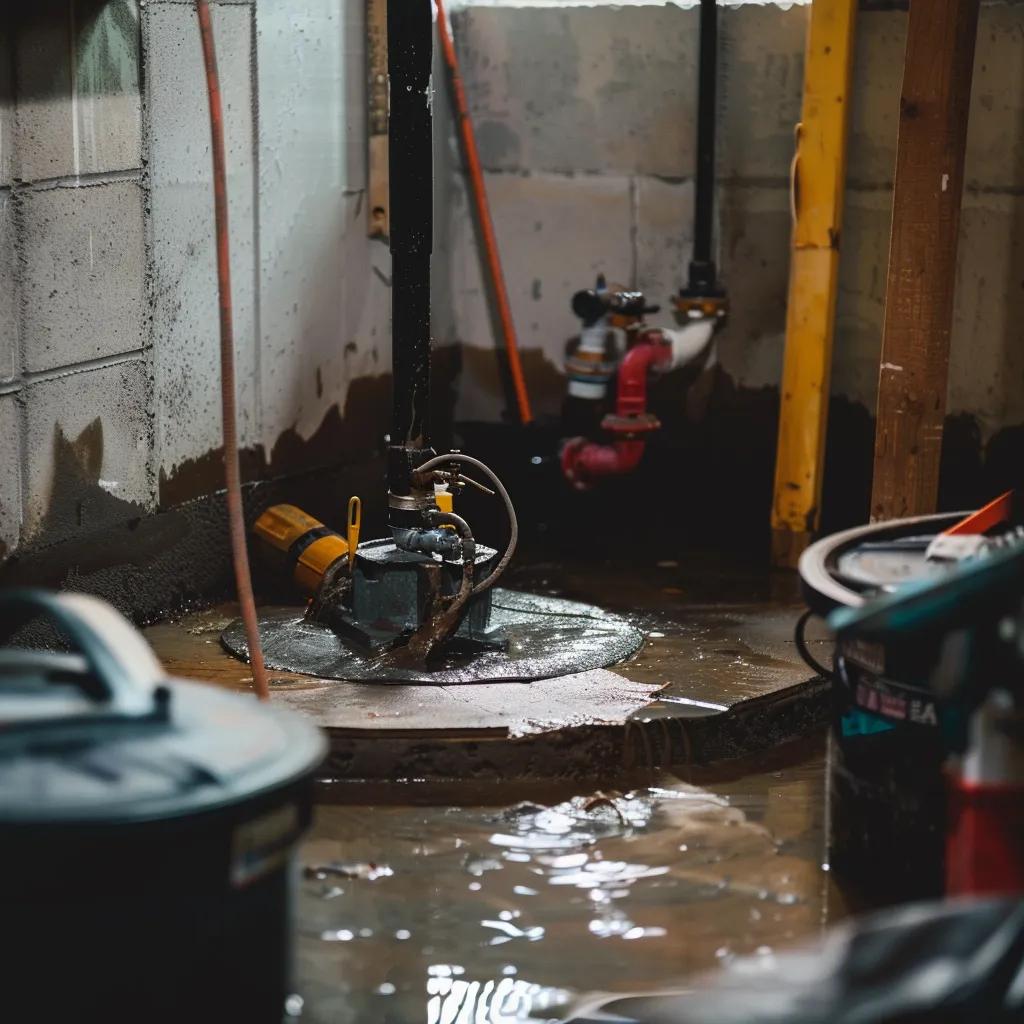
A sump pump collects basin water and discharges it away from the home, preventing flooding during heavy rain or snowmelt. Correct installation and upkeep ensure reliable operation when needed.
What Are the Maintenance Tips for Long-Lasting Sump Pumps?
Keep your sump pump working with a few simple checks.
- Regular Testing: Test the pump regularly to confirm it activates and stops correctly.
- Clean the Pit: Remove debris from the pit to avoid clogs.
- Check the Power Source: Ensure reliable power and add a backup battery for outages.
These tasks extend pump life and help prevent storm damage.
What Are the Options for Foundation Crack Repair and Basement Drainage Systems?
Foundation crack repairs protect structure. Common fixes are epoxy or polyurethane injections and wall anchors.
- Epoxy Injection: Inject epoxy to seal cracks and stop leaks.
- Polyurethane Foam Injection: Inject foam that expands to seal and waterproof.
- Wall Anchors: Install anchors to stabilize bowing walls.
A professional assessment will match the repair to crack type and severity.
How Do Basement Drainage Systems Work to Prevent Water Accumulation?
Drainage systems move water away from the foundation using perimeter, French, or channel drains.
- Perimeter Drains: Collect water around the foundation and route it to a sump.
- French Drains: Gravel trenches that redirect groundwater away.
- Channel Drains: Surface drains that capture runoff and move it off-site.
Choose the system that best fits your site’s conditions.
When Is Foundation Crack Repair Necessary for Basement Waterproofing?
Repair cracks when you see damp walls, stains, or visible openings. Ignoring them risks structural damage and mold; schedule a contractor inspection and prioritize needed fixes before problems worsen.
Frequently Asked Questions
What are the long-term benefits of basement waterproofing?
Waterproofing raises property value, improves air quality, reduces mold risk, and avoids costly structural repairs. A dry basement can become usable space and adds peace of mind.
How can I tell if my basement waterproofing system is working?
Look for damp spots, musty odors, or mold. Verify the sump pump runs during storms and keep drains clear. Lower basement humidity indicates the system is effective; persistent problems need a professional review.
Are there DIY options for basement waterproofing?
DIY tasks include applying waterproof paint, sealing small cracks, using a dehumidifier, and clearing gutters. Major cracks or drainage failures require professional repair to ensure a lasting solution.
What is the cost range for professional basement waterproofing services?
Costs vary by basement size, severity of the issue, and chosen method. Typical comprehensive waterproofing ranges from $1,500 to $5,000; major exterior work or foundation repairs can cost more. Get multiple quotes from reputable contractors to compare options.
How often should I inspect my basement for water issues?
Inspect at least twice a year (spring and fall). Check for damp spots, mold, and musty smells, and test the sump pump and drainage systems. After heavy rain or rapid snowmelt, perform an extra check.
What should I do if I find mold in my basement?
Remove the moisture source first. For small areas, clean with water and detergent while wearing gloves and a mask. Larger infestations need professional remediation. After cleanup, improve ventilation and consider waterproofing to prevent recurrence.
Conclusion
Basement waterproofing protects Okemos homes from water damage and mold. Balance interior and exterior options and maintain sump pumps to ensure lasting results. Regular inspections and prompt repairs preserve your home’s safety and value. Contact Maurer Services LLC for a free consultation to start protecting your basement today.