
Basement Remodeling East Lansing
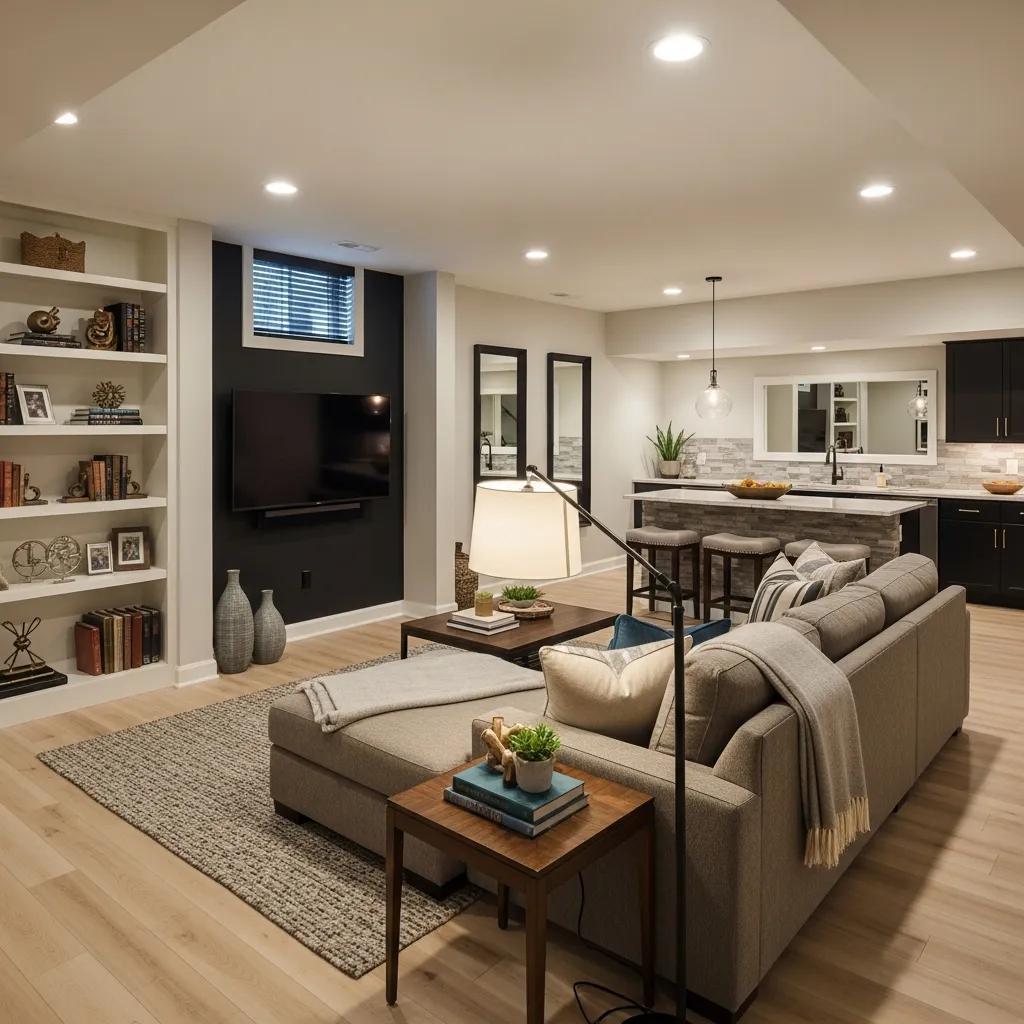
Basement Remodeling East Lansing: Expert Solutions for Finishing, Waterproofing, and Repairs
Remodeling a basement converts underused space into comfortable living area and increases home value. In East Lansing, frequent problems include water intrusion, foundation cracks and missing egress windows. This guide summarizes expected costs, waterproofing choices, egress installation and financing to help you plan a successful, code-compliant renovation.
How Much Does Basement Remodeling Cost in East Lansing?
A full basement remodel in East Lansing commonly ranges from $20,000 to $50,000, covering finishing, waterproofing and typical repairs. Size, material quality and project complexity are the main cost drivers.
Maurer Services LLC offers free consultations to review estimates and financing so you can plan a realistic budget.
What Factors Influence Basement Remodeling Prices?
Several factors shape the total price; knowing them helps set priorities:
- Size of the Basement: Larger areas require more materials and labor.
- Quality of Materials: Higher-end finishes cost more but last longer.
- Labor Costs: Skilled trades and complex structural work increase expenses.
Assess these early to avoid surprises during the project.
Are Financing Options Available for Basement Renovations?

Yes. Options include personal loans, home equity lines of credit and renovation-specific loans; compare terms and eligibility to find the best fit.
Maurer Services LLC can discuss which financing aligns with your scope and budget during the free consultation.
What Are the Best Basement Waterproofing Methods in East Lansing?
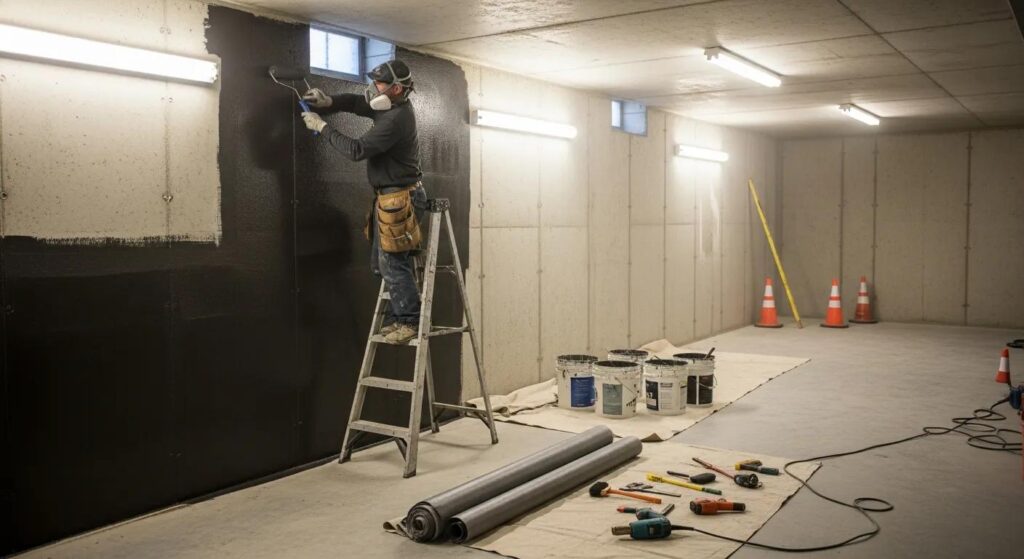
Effective local waterproofing options include interior drainage, exterior membranes and targeted sealants. Choose methods based on where water enters and site conditions.
- Interior Drainage Systems: Collect seepage and route it to a sump pump.
- Exterior Waterproofing: Apply membranes outside foundation walls to stop intrusion.
- Sealants and Coatings: Help reduce moisture migration through walls and floors.
Maurer Services LLC installs these solutions and can recommend a combination suited to your property.
Research also supports building- and lot-scale measures—like backwater valves and improved runoff management—to reduce flood risk and protect foundations.
Basement Flood Mitigation & Foundation Drainage Systems
Urban flooding has grown more frequent and severe across parts of North America, increasing basement floods, property damage and insured losses. Flood risk depends on factors like urbanisation, land use, watershed characteristics, hydrology, municipal infrastructure and stormwater systems. Measures at the building or lot scale can cut a home’s flood risk. Examples include backwater valves to block sewer surcharge, low-impact development to limit runoff into sewers, and foundation drainage systems to reduce infiltration flooding.
Reducing the risk of basement flooding through building-and lot-scale flood mitigation approaches: performance of foundation drainage systems, B Kaur, 2021
Common Waterproofing Methods
| Method | Effectiveness | Cost Range |
|---|---|---|
| Interior Drainage | High | $1,500 – $3,000 |
| Exterior Waterproofing | Very High | $5,000 – $15,000 |
| Sealants and Coatings | Moderate | $500 – $2,000 |
Match methods to soil, grading and the source of moisture so the basement stays dry and maintenance needs stay low.
How to Identify Signs of Water Intrusion in Your Basement?
Early detection saves money. Common indicators include persistent damp or musty odors, visible water stains on walls or floors and any mold growth.
- Damp or Musty Odors: Often the first sign of moisture problems.
- Water Stains: Discoloration can reveal seepage paths.
- Mold Growth: A clear indicator of excess moisture that needs remediation.
If you spot these signs, arrange inspection and remediation promptly to limit damage.
Which Waterproofing Solutions Are Most Effective Locally?
In East Lansing, French drains, sump pumps and exterior membranes are commonly effective. The best approach depends on your lot grading, soil type and how water reaches the foundation.
- French Drains: Redirect surface and subsurface water away.
- Sump Pumps: Remove collected water from drainage systems.
- Waterproofing Membranes: Block moisture at exterior walls.
Site assessment guides the right combination for long-term protection.
How Do You Install Egress Windows to Meet Safety Codes?
Egress windows are required for escape and code compliance. The main steps are selecting a compliant location, excavating a well with drainage, installing the window and sealing to code.
- Choose the Right Location: Ensure the opening meets size and height requirements.
- Excavate the Area: Create a well with proper drainage.
- Install the Window: Fit and seal the window per local code.
Maurer Services LLC handles permits and installation to ensure compliance and safety.
What Are the Building Code Requirements for Basement Egress Windows?
Codes typically require a minimum clear opening, a sill no higher than 44 inches from the floor and a drained window well when below grade.
- Minimum Size: Must allow easy escape for occupants.
- Height from Floor: Bottom no more than 44 inches above the floor.
- Window Wells: Require drainage if the opening is below ground.
Follow these rules to pass inspection and keep occupants safe.
What Is the Step-by-Step Process for Egress Window Installation?
Typical steps: planning and permits, excavation, window fitting and sealing, then trim and grading. Each step should meet local code requirements.
- Planning and Permits: Obtain necessary approvals and plan the work.
- Excavation: Prepare the window well and drainage.
- Installation: Set, level and seal the window.
- Finishing Touches: Add trim, backfill and grade away from the foundation.
Professional installation reduces the risk of leaks and inspection failures.
How Can Foundation Cracks Be Repaired in East Lansing Basements?
Unrepaired cracks can worsen. Common repairs include epoxy injections for small cracks, carbon fiber reinforcement for larger issues, and waterproofing to prevent moisture-related deterioration.
- Epoxy Injections: Seal and restore small cracks.
- Carbon Fiber Reinforcement: Add strength to bowing or stressed walls.
- Waterproofing Solutions: Protect repaired areas from future moisture.
Maurer Services LLC offers repairs focused on safety and long-term performance.
Timely repair preserves structure and appearance and reduces the chance of more costly work later.
Building Crack Prevention & Repair Methodology
Cracks in buildings are common and affect stability and appearance. Understanding causes and applying proper prevention and repair measures matters. While some concrete cracking is unavoidable, using the right materials and construction methods cuts risk. Water can enter through cracks and cause serious damage. Causes include moisture, thermal movement, elastic deformation, chemical reactions, foundation shifts, vegetation and earthquakes. Timely detection and preventive action are essential to keep a home safe and attractive. This paper discusses methods for prevention and repair of such cracks. Methodology for prevention and repair of cracks in building, 2018
What Types of Foundation Cracks Require Repair?
Not all cracks are the same. Hairline cracks can be cosmetic; structural or significant settlement cracks require prompt attention to prevent worsening.
- Hairline Cracks: Often cosmetic but should be monitored.
- Structural Cracks: Larger and can threaten foundation integrity.
- Settlement Cracks: Typically from soil movement and may need remediation.
Correct identification determines the appropriate repair method.
Which Repair Techniques Are Recommended for Lasting Results?
Long-term approaches include epoxy injections, carbon fiber straps and waterproof coatings. Each addresses different causes and scales of damage.
- Epoxy Injections: Seal cracks and restore strength.
- Carbon Fiber Straps: Reinforce walls to prevent movement.
- Waterproofing Coatings: Reduce moisture-driven deterioration.
When applied correctly, these methods extend foundation life and limit repeat repairs.
Frequently Asked Questions
What are the benefits of finishing a basement?
Finishing a basement adds usable living space like a family room, office or guest area, increases resale value and can improve insulation and storage options.
How can I prevent water intrusion in my basement?
Key steps: slope soil away from the foundation, keep gutters and downspouts clear, install a sump pump if needed, apply exterior waterproofing and use a dehumidifier indoors.
What should I consider when choosing materials for my basement remodel?
Prioritise moisture resistance and durability—vinyl flooring and moisture-resistant drywall are common choices—while matching finishes to your design and maintenance preferences.
How long does a typical basement remodeling project take?
Timelines vary by scope; a full remodel can take weeks to months. Good planning and an experienced contractor help keep the schedule realistic.
Are there any local building codes I need to be aware of for basement renovations?
Yes. Codes affect egress windows, ceiling height and electrical and plumbing work. Hire a licensed contractor familiar with local rules to avoid inspection delays.
What are the common mistakes to avoid during basement remodeling?
Don’t skip waterproofing or ventilation, ignore egress requirements, or use unsuitable materials. Follow codes and work with professionals to reduce costly errors.
Conclusion
A well-planned basement remodel improves function and resale value while addressing moisture and structural concerns. Understand costs, waterproofing options and egress requirements, and partner with experienced contractors like Maurer Services LLC to ensure safe, code-compliant results. Start by scheduling a free consultation to review options and estimates.