
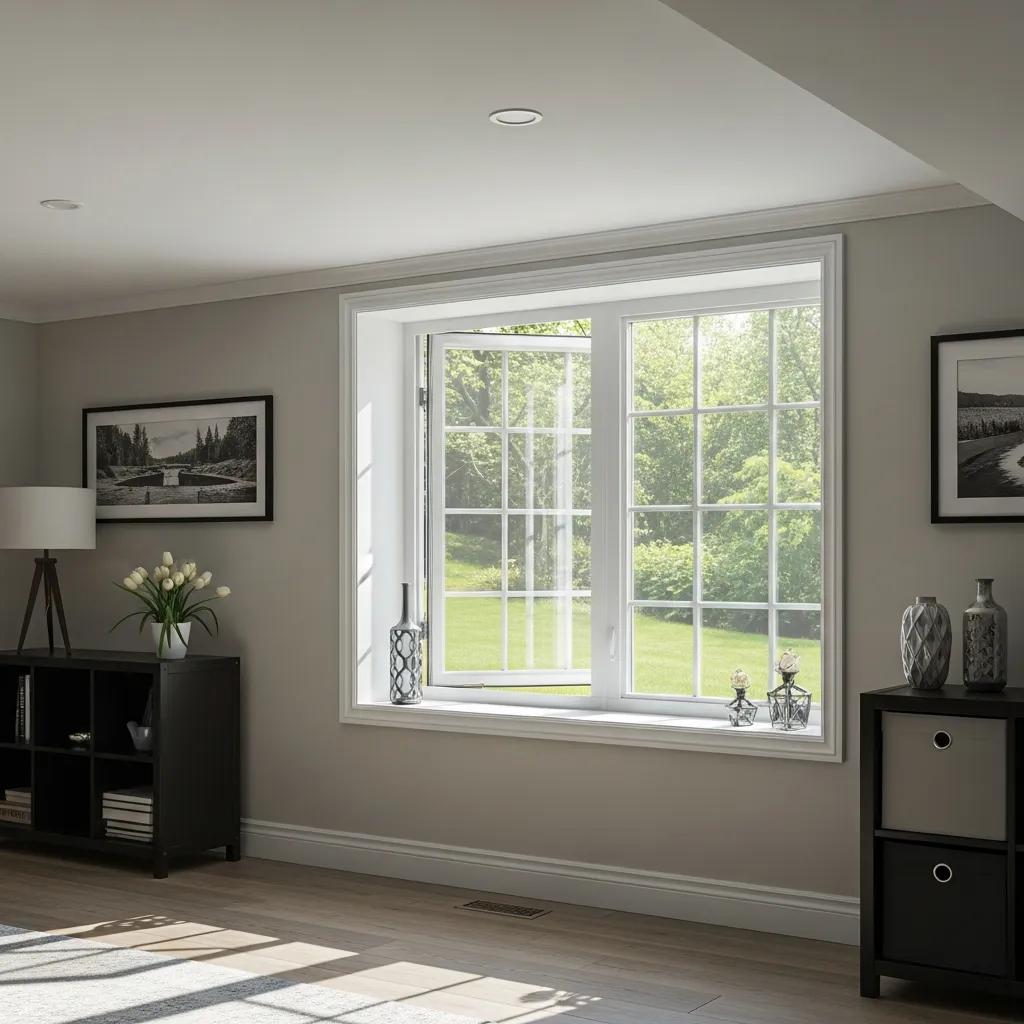
Egress Window Installation: Lansing’s Code-Compliant Guide
Egress windows are essential for basement safety in Lansing, MI — local codes often require them. They provide a safe exit in emergencies and add natural light and ventilation. This guide explains why they matter, local code requirements, and the installation process. You’ll learn how to meet local rules, improve your basement’s safety and function, and understand typical costs and financing options.
What Are Egress Windows and Why Are They Important for Lansing Basements?
Egress windows are openings sized and placed so people can exit in an emergency, and they are especially important in basements where other exits may not exist. Besides improving safety, they help homes comply with Lansing building codes and give homeowners greater peace of mind.
Defining Emergency Escape Windows and Their Safety Benefits
Emergency escape windows (also called egress windows) must meet set size and access standards so occupants can leave quickly. Properly installed units improve occupant safety, meet code, and can increase property value, preparing basements for emergencies.
How Egress Windows Improve Basement Safety and Prevent Water Intrusion
Egress windows create a reliable escape route and, when paired with window wells and drainage, reduce water intrusion that leads to mold and structural issues. Correct installation manages runoff and lowers flood risk, protecting occupants and the home’s integrity.
What Are the Basement Window Code Requirements in Lansing, MI?
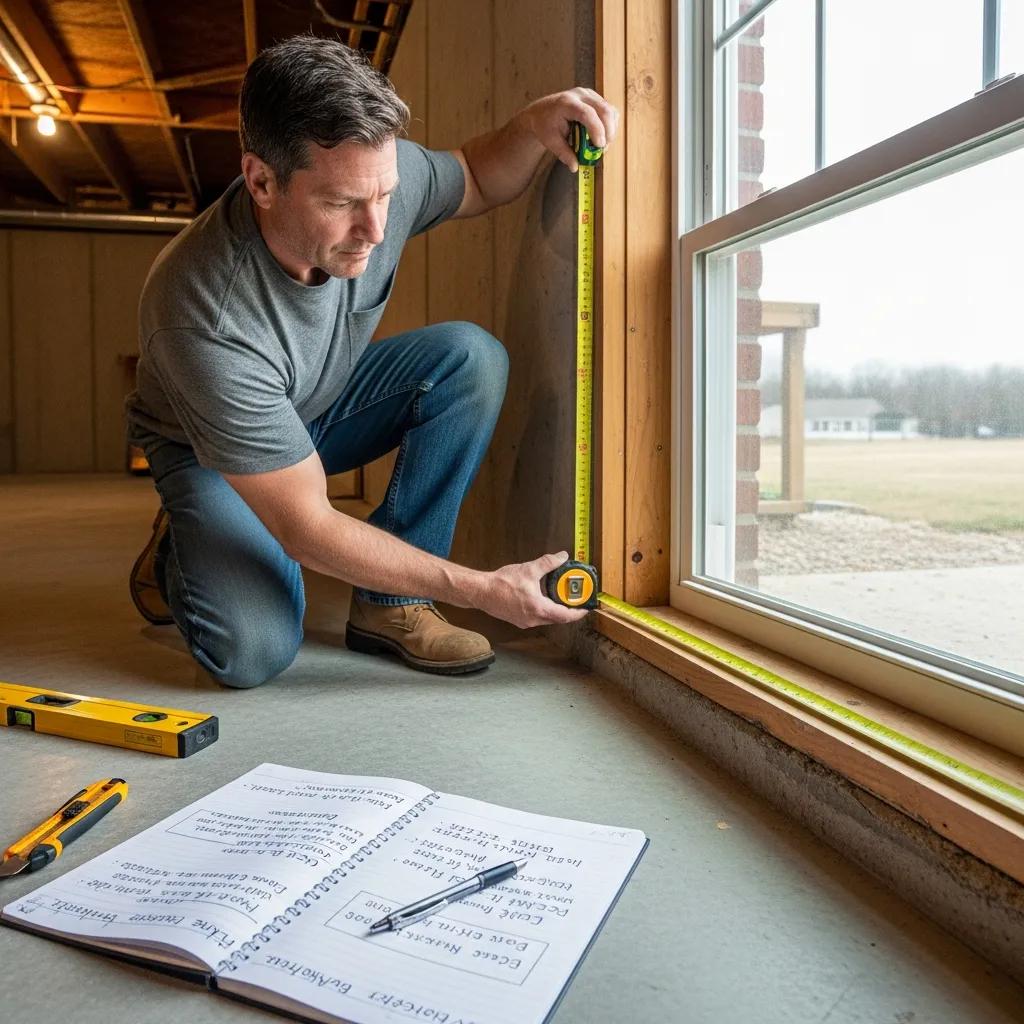
Lansing codes set criteria for egress windows, including minimum opening size, interior accessibility, and proper window-well installation. Know these rules to avoid fines and keep occupants safe. Meeting codes is both a legal duty and responsible homeownership.
Michigan Building Codes for Egress Window Dimensions and Installation
Michigan code typically requires a net clear opening of about 5.7 square feet, with a minimum height of 24 inches and width of 20 inches. The bottom of the opening must be no more than 44 inches above the floor. These dimensions make quick escape possible; work with a qualified contractor to ensure your installation meets these specs.
How Compliance Ensures Safety and Legal Home Standards
Following egress regulations keeps your home safer and reduces legal risk. Noncompliance can bring fines and greater liability. Compliant egress windows also support resale value, so prioritize compliance for your family’s safety and long-term value.
Building codes are the foundation of safe egress design — they protect occupants and guide every installation.
Egress Requirements & Building Code Compliance
This chapter covers the regulatory context of egress requirements and explains how the building code guides egress design. The IFC serves to reinforce those requirements.
Egress design solutions: A guide to evacuation and crowd management planning, B Meacham, 2007
How Much Does Egress Window Installation Cost in Lansing?
Costs vary by window type, installation complexity, and added features like window wells. On average, expect a complete installation to run between $1,000 and $3,000. That investment helps ensure safety and code compliance.
| Service Type | Cost | Financing Options |
|---|---|---|
| Basic Egress Window Installation | $1,000 – $1,500 | Available |
| Egress Window with Well | $1,500 – $2,500 | Available |
| Custom Egress Solutions | $2,500 – $3,000 | Available |
The table shows common service types and typical costs so homeowners know what to expect when planning an egress install.
Factors Influencing Basement Window Installation Pricing
Several factors affect installation cost, including material choices, labor rates, and site complexity or accessibility.
- Material Costs: The type of window frame and glass can significantly affect the overall price.
- Labor Costs: Skilled labor is essential for proper installation, and rates can vary based on the contractor’s experience and location.
- Location Factors: Accessibility and the complexity of the installation site can also impact costs.
Knowing these cost drivers helps you budget effectively for an egress window project.
Available Financing Options and Free Consultation Benefits
Many contractors offer financing, from flexible payment plans to low-interest options, to spread project costs. Free consultations provide tailored recommendations so you can pick the best solution for your home and budget.
How Is Basement Window Wells Installation Done for Effective Egress?
Window wells are key to making egress windows work. A correctly designed well provides drainage and prevents water buildup that can damage the window and foundation.
Step-by-Step Overview of Window Well Installation
- Excavation: The area around the window is excavated to create space for the well.
- Well Installation: A pre-formed window well is placed in the excavated area, ensuring it is level and secure.
- Backfilling: The area around the well is backfilled with gravel or soil to provide stability and drainage.
These steps make the egress window accessible and functional, providing a safe escape route when needed.
Integrating Waterproofing Solutions to Prevent Foundation Cracks
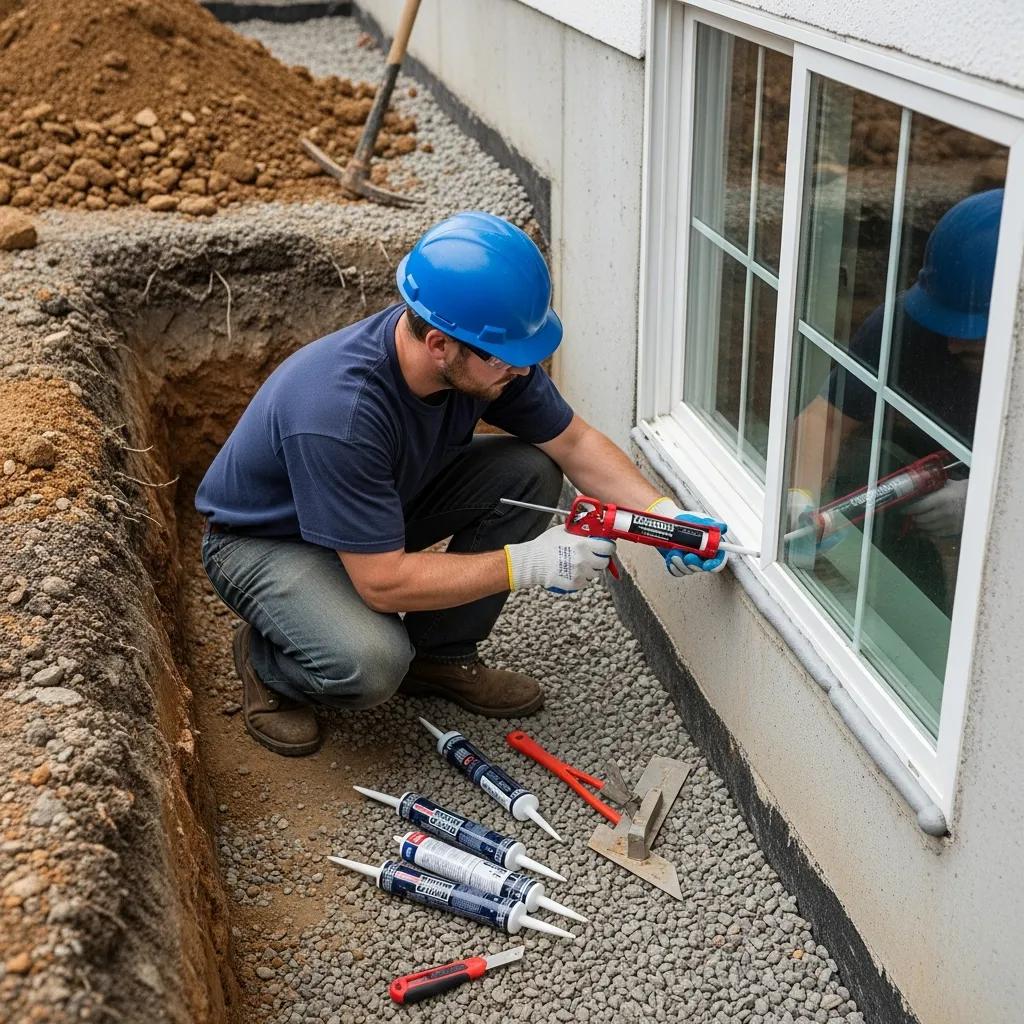
Pairing egress installation with waterproofing helps prevent foundation cracks and water intrusion. Effective waterproofing methods include:
- Sealants: Applying sealants around windows and foundation joints to prevent leaks.
- Drainage Systems: Installing French drains or sump pumps to manage water runoff effectively.
- Grading: Ensuring proper grading around the foundation to direct water away from the home.
Combining egress windows with these waterproofing measures protects your basement from water damage and improves overall safety.
Frequently Asked Questions
What are the benefits of installing egress windows beyond safety?
Beyond emergency escape, egress windows add daylight and ventilation, making basements more usable and inviting. They can increase home value and reduce humidity, which helps prevent mold and improves indoor air quality.
How can I ensure my egress windows are compliant with local codes?
Check local requirements for minimum opening sizes and access standards. Work with a licensed contractor and obtain the required permits before installation to avoid fines and meet safety standards.
What maintenance is required for egress windows?
Inspect windows periodically for cracks or leaks. Keep wells clean and drains clear to prevent water buildup. Check seals and weatherstripping to maintain energy efficiency and stop drafts.
Are there any DIY options for egress window installation?
Some homeowners consider DIY, but hiring a professional is usually safer. Proper installation requires code knowledge, structural understanding, and waterproofing skills. You can help by preparing the site and choosing the right window style.
What financing options are available for egress window installation?
Contractors often offer payment plans, low-interest loans, or promotional financing. Ask about options during consultations to find a plan that fits your budget. Some local programs may also offer assistance or incentives for safety upgrades.
How do egress windows affect home insurance rates?
Egress windows can lower insurance costs. Insurers may treat compliant safety features as lower risk, which could reduce premiums. Notify your insurance provider after installation to check for potential discounts. Compliant windows also reduce liability risk.
Conclusion
Installing egress windows in Lansing improves safety and ensures local code compliance. They bring more light and ventilation to basements and can increase home value. Investing in proper installation protects your home — contact a qualified contractor to review options and make sure your basement is safe and compliant.