
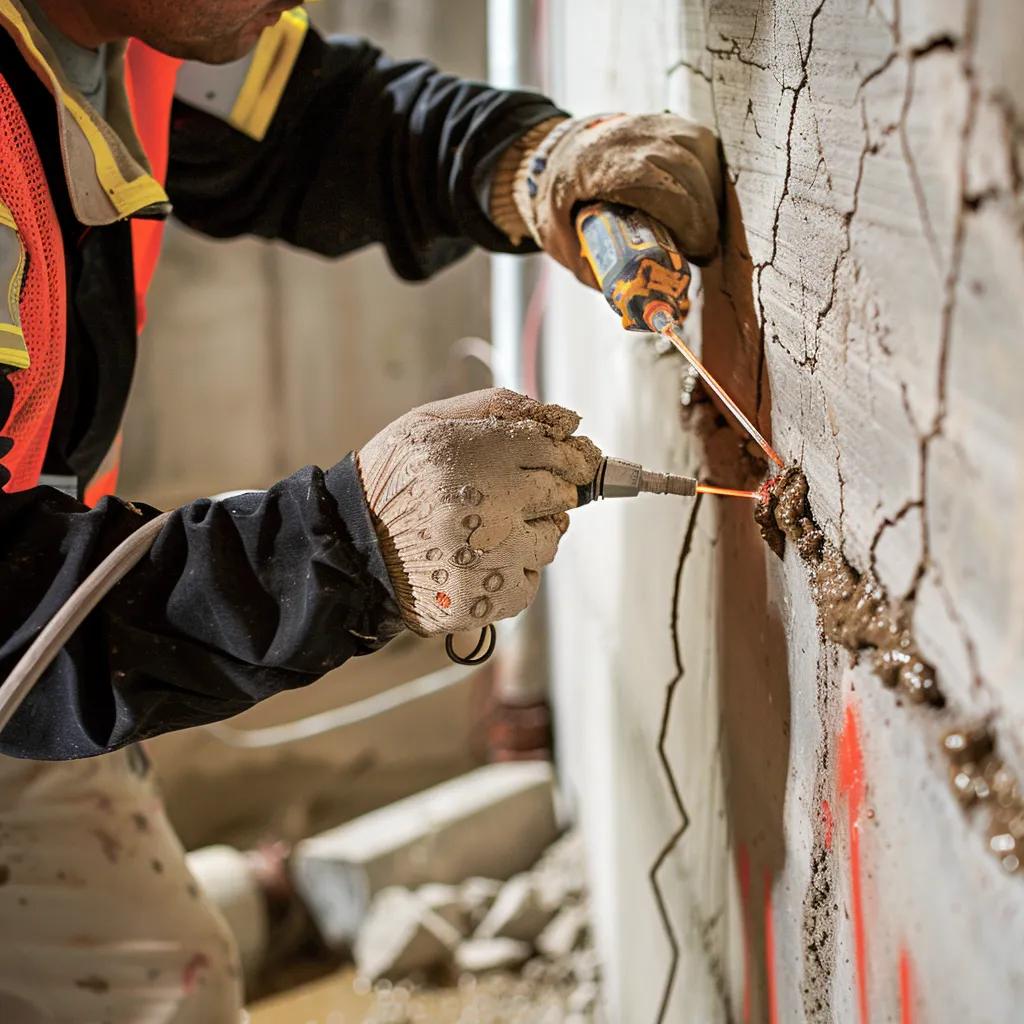
Understanding Poured Wall Crack Injection Repair
Poured wall crack injection repairs poured concrete foundation cracks by injecting sealants such as epoxy or polyurethane. The material fills the void, seals the crack, and helps prevent water entry and further damage. Understanding injection options and when to repair helps you choose the right contractor and method. This article covers the injection process, pros and cons of common materials, signs that need repair, and how to choose a qualified contractor.
Resin injection techniques are widely accepted as an effective repair method for cracks in many concrete structures.
Polyurethane Resin Injection for Concrete Crack Repair
Resin injection is presented as a leading method for repairing cracks in buildings, bridges, dams, and other concrete structures [5,6].
Evaluation of polyurethane resin injection for concrete leak repair, MA Safan, 2019
What Is Poured Wall Crack Injection and How Does It Repair Foundation Cracks?
Poured wall crack injection repairs cracks in poured concrete foundation walls by forcing a sealant into the crack. The sealant fills gaps to create a watertight barrier and bonds with the concrete. Epoxy and polyurethane are the typical options: epoxy adds rigid strength, while polyurethane offers waterproofing and flexibility. This technique is effective for cracks that are leaking or at risk of allowing water in.
When epoxy is used, injection is a common and respected technique for repairing reinforced concrete elements.
Epoxy Injection for Concrete Beam Repair
The epoxy injection technique is reviewed as a common method for repairing normal and high-strength reinforced concrete beams. Evaluating the Efficiency of Epoxy Injection Technique for Repairing Normal and High Strength Concrete Beams—
A Critical Review, ZM Abdulqadir, 2022
How Does Epoxy Injection Strengthen Poured Concrete Walls?
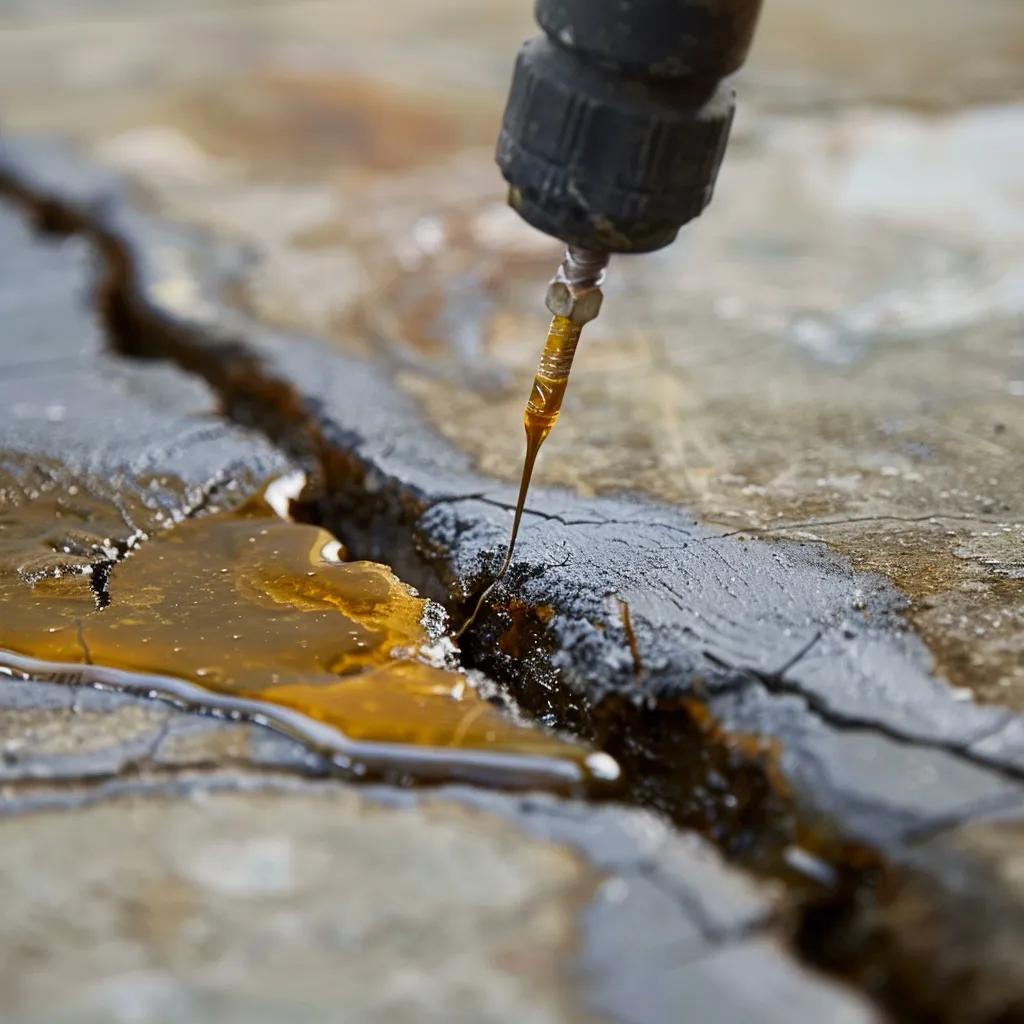
Epoxy injection bonds a high-strength resin into the crack; it cures to a hard mass that restores continuity and boosts the wall’s structural capacity. Epoxy both seals the crack and adds reinforcement where stability is important.
Epoxy injection is often part of broader repair strategies, used alongside other reinforcement measures for cracked walls.
Epoxy Resin Injection for Cracked Walls
The proposed repair combines mini piles, pile caps, and column concrete jacketing for some structural parts, with epoxy resin injection applied to existing cracked walls. Investigation on wall crack damage and its proposed repair method, S As’ad, 2013
What Are the Benefits of Polyurethane Injection for Crack Sealing?
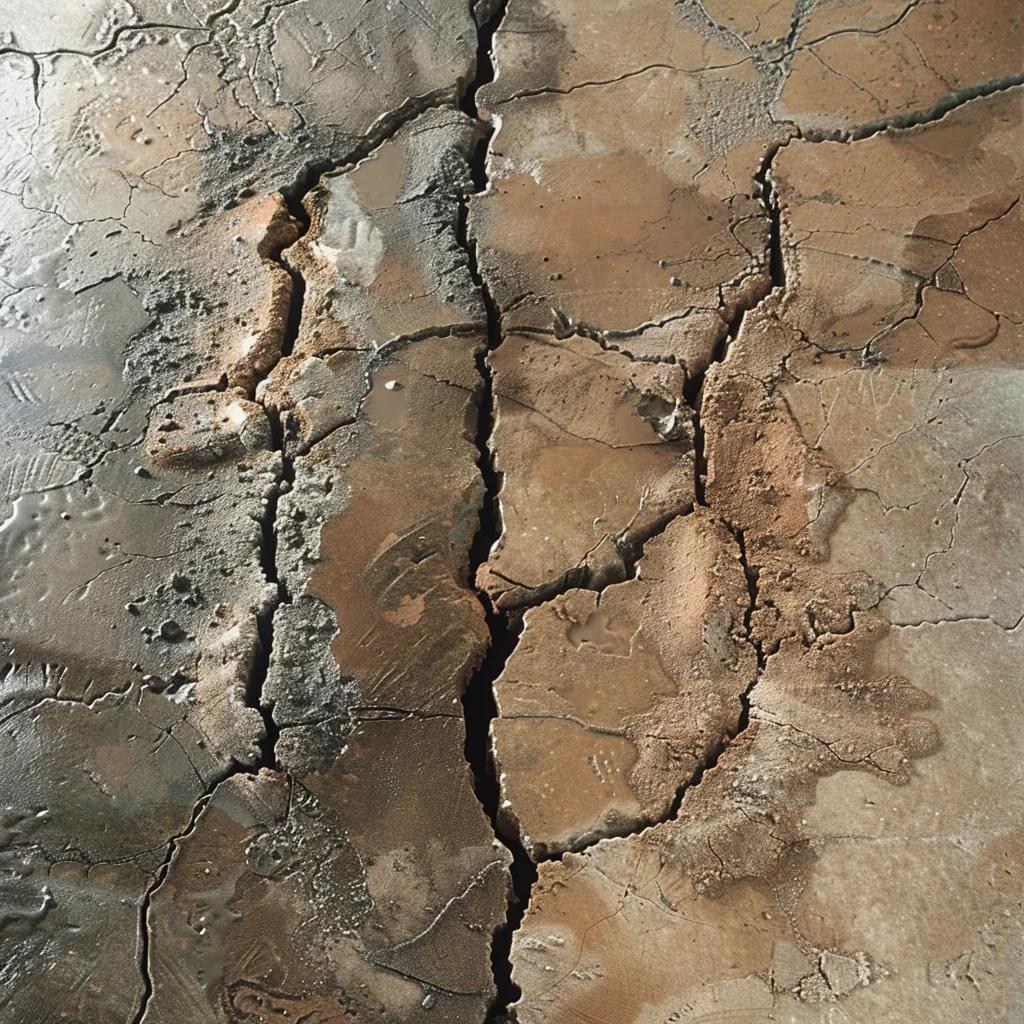
Polyurethane injection delivers reliable waterproofing and adaptability. It reacts to moisture, expands to fill voids, and forms a tight seal. Its flexibility helps it absorb minor movements without failing, and it is often a lower-cost option than some structural repairs.
- Waterproofing Capabilities: Polyurethane expands upon contact with moisture, effectively sealing the crack and preventing water intrusion.
- Flexibility and Durability: This material remains flexible after curing, allowing it to accommodate minor movements in the foundation without cracking.
- Cost-Effectiveness: Polyurethane injection is often more affordable than other repair methods, making it a popular choice for homeowners.
Maurer Services LLC offers polyurethane injection for basement wall repair and focuses on delivering consistent, high-quality results.
What Are the Signs You Need Basement Wall Crack Repair?
Spotting early signs of foundation cracks helps avoid bigger problems. Watch for visible cracks, water stains on walls or floors, and mold or mildew in the basement. Any crack that grows wider over time is a warning sign.
- Visible Cracks: Any noticeable cracks in the walls, especially those that widen over time, should be addressed promptly.
- Water Stains: Stains on the walls or floor can indicate water intrusion, suggesting that cracks may be allowing moisture to enter.
- Mold Growth: The presence of mold or mildew in the basement is a clear sign of moisture issues, often linked to foundation cracks.
Addressing these signs early reduces the risk of larger repairs and higher costs later on.
How to Identify Foundation Cracks That Require Injection Repair?
Assess each crack for severity and risk. Key checks include crack orientation, width, and position. Horizontal cracks often point to more serious issues than vertical ones. Cracks wider than about 1/8 inch usually need a professional evaluation. Cracks near windows, doors, or corners can also signal larger problems.
- Type of Crack: Horizontal cracks are often more serious than vertical ones, as they can indicate significant structural issues.
- Width of the Crack: Cracks wider than 1/8 inch typically require professional evaluation and may need injection repair.
- Location of the Crack: Cracks near windows, doors, or corners of the foundation can signal underlying problems that need immediate attention.
A professional inspection will clarify whether injection repair is the right option.
Can Crack Injection Stop Water Intrusion and Prevent Mold?
Yes. Proper crack injection creates a watertight barrier that keeps moisture out and lowers the risk of mold. Sealing cracks with epoxy or polyurethane protects the structure and helps keep the basement dry and healthier. Timely repairs reduce long-term moisture-related problems.
What Are the Cost Factors and Pricing for Foundation Crack Injection?
Several factors affect cost: the material chosen (epoxy versus polyurethane), the extent of damage, and local labor rates. Epoxy typically costs more because of its bonding and structural properties. Bigger or multiple cracks increase material and labor needs. Regional price differences also play a role.
- Type of Material Used: Epoxy and polyurethane have different price points, with epoxy generally being more expensive due to its superior bonding properties.
- Severity of the Damage: More extensive damage may require additional materials and labor, increasing the overall cost.
- Location: Geographic factors can influence pricing, as some areas may have higher labor costs.
Knowing these drivers helps you plan and compare estimates from contractors.
How Much Does Epoxy Injection for Foundation Cracks Typically Cost?
Epoxy injection commonly costs between $300 and $1,200, depending on crack severity and the treated area. That figure covers materials and labor. Get multiple quotes to compare scope and price before deciding.
What Influences the Price of Foundation Crack Sealing Methods?
Material choice, labor complexity, and local market rates are the main price influencers. Structural repairs require more skilled labor and can raise costs. Contractors’ experience and the repair method you select also affect the final price.
- Material Costs: The choice between epoxy and polyurethane can significantly affect the overall price.
- Labor Costs: The complexity of the repair and the experience of the contractor can impact labor rates.
- Geographic Location: Prices may vary based on local market conditions and demand for foundation repair services.
Compare itemised estimates so you understand where costs come from and can choose the best value.
Why Choose Maurer Services LLC for Waterproofing and Crack Injection in Mid-Michigan?
Maurer Services LLC is a local provider serving Greater Lansing and Mid-Michigan. Their regional experience helps them recommend solutions suited to local soil and weather conditions. They focus on customer satisfaction and quality workmanship to keep basements dry and foundations protected.
What Makes Maurer Services LLC Experts in Basement Crack Repair?
Maurer Services LLC combines years of experience with specialised training in injection techniques and materials. Their team stays current with repair methods, and customer testimonials reflect professional service and reliable results—making them a dependable choice for foundation repair.
How to Schedule a Free Consultation for Foundation Crack Repair?
Scheduling a free consultation is simple: contact Maurer Services LLC to describe your concerns and book an assessment. A technician will inspect the foundation, review repair options, and provide a detailed estimate. Early action helps prevent worse damage, so arrange an inspection as soon as you spot issues.
Frequently Asked Questions
What is the difference between epoxy and polyurethane for crack injection?
Epoxy and polyurethane serve different needs. Epoxy bonds strongly and is best for structural repairs that need rigidity. Polyurethane expands with moisture, making it better for waterproofing and accommodating small movements. Choose based on whether you need structural strength or a flexible, watertight seal.
How long does the crack injection process take?
Timing varies by crack size, number, and material. The injection can take a few hours, but prep and cure time may extend the job to a full day or longer. Ask your contractor for a site-specific timeline.
Can I perform crack injection myself, or should I hire a professional?
DIY injection is possible for very small, simple cracks, but professionals offer proper assessment, correct material selection, and the right equipment. Hiring a pro reduces the risk of an incomplete seal and future leaks.
What maintenance is required after crack injection?
Maintenance is minimal. Keep the area dry and inspect repairs after heavy rain or temperature swings. If new water shows up or new cracks appear, contact your contractor for a follow-up evaluation.
Are there any warranties or guarantees for crack injection services?
Many reputable providers offer warranties that vary in length and coverage. Warranties may cover repair effectiveness and include follow-up work if the same issue reoccurs within the warranty period. Ask for warranty specifics before hiring.
What should I do if I notice new cracks after repair?
Report new cracks promptly. They can signal ongoing settlement or other issues that need another inspection. Contact your service provider to schedule an assessment and discuss next steps.
Conclusion
Poured wall crack injection provides a watertight seal and can restore structural integrity while reducing mold risk. Spotting damage early and choosing professional services helps protect your home and investment. Contact Maurer Services LLC to schedule a free consultation and start securing your foundation.