Frequently Asked Questions
How can I schedule a free estimate for basement waterproofing?
Scheduling a free estimate for basement waterproofing is easy. Simply visit our website or call Maurer Services directly to set up an appointment at your convenience.
What are the warning signs of foundation issues?
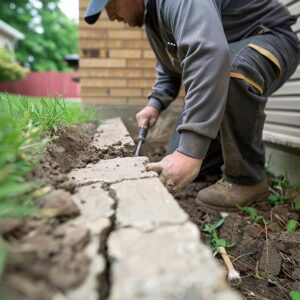
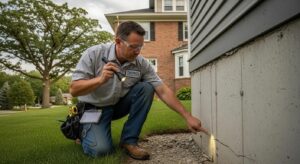
The warning signs of foundation issues include cracks in walls or floors, doors and windows that stick or don't close properly, uneven or sloping floors, and gaps between walls and ceilings. If you notice any of these signs, it's important to seek professional assistance.
What solutions do you offer for basement waterproofing?
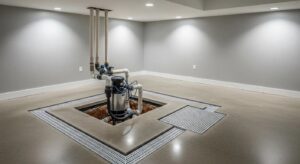
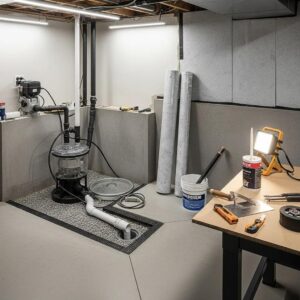
The solutions we offer for basement waterproofing include interior drainage systems, exterior waterproofing membranes, sump pump installation, and crack sealing to ensure your basement remains dry and protected from water damage.
How does crack injection work for foundation repair?
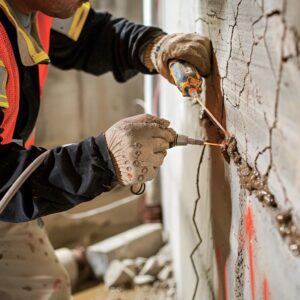
Crack injection is a method used for foundation repair that involves injecting a specialized epoxy or polyurethane foam into cracks. This process seals the cracks, preventing water infiltration and stabilizing the foundation.
What tips do you have for maintaining a dry home environment?
Tips for maintaining a dry home environment include regularly checking for leaks, ensuring proper drainage around your foundation, using dehumidifiers in damp areas, and sealing cracks in walls and floors to prevent moisture intrusion.
What is the process for scheduling an estimate?
The process for scheduling an estimate involves contacting Maurer Services directly through our website or phone. Our team will then arrange a convenient time to assess your basement or foundation needs.
How can I identify basement waterproofing needs?
Identifying basement waterproofing needs involves checking for signs of moisture, such as water stains, mold growth, or musty odors. Additionally, inspect cracks in walls or floors and monitor for puddles after heavy rain to determine if waterproofing solutions are necessary.
What are common foundation repair methods?
Common foundation repair methods include underpinning, which stabilizes the foundation by extending it deeper into the ground; slabjacking, which lifts sunken concrete slabs; and wall anchors, which support bowing walls by anchoring them to stable soil.
How does basement waterproofing prevent water damage?
Basement waterproofing prevents water damage by creating a barrier that keeps moisture out, directing water away from the foundation, and reducing the risk of leaks and flooding. This ensures a dry, safe environment in your home.
What materials are used in crack injection?
The materials used in crack injection typically include epoxy resins and polyurethane foams. These substances effectively seal cracks in foundations, preventing water infiltration and structural damage.
How long does foundation repair typically take?
The duration of foundation repair typically varies based on the extent of the damage and the methods used, but most repairs can be completed within a few days to a week.
What are the costs associated with waterproofing?
The costs associated with waterproofing can vary widely based on factors such as the size of the area, the severity of the water issue, and the chosen waterproofing method. Generally, homeowners can expect to invest between $1,500 and $5,000 for effective solutions.
How can I tell if my foundation is settling?
Signs that your foundation is settling include visible cracks in walls or floors, doors and windows that stick or won't close properly, and uneven or sloping floors. If you notice these issues, it’s essential to consult a professional.
What maintenance is required after waterproofing?
The maintenance required after waterproofing includes regular inspections for any signs of water intrusion, ensuring gutters and downspouts are clear, and monitoring the drainage system to prevent buildup. Additionally, keep the area around the foundation free of debris and vegetation.
What are the benefits of professional foundation repair?
The benefits of professional foundation repair include enhanced structural integrity, increased property value, and prevention of further damage. By addressing issues promptly, homeowners can ensure a safe living environment and avoid costly repairs in the future.
How often should I inspect my basement?
Regular inspections of your basement are essential for maintaining its integrity. It is recommended to inspect your basement at least twice a year, ideally in spring and fall, to catch any potential issues early.
What signs indicate a need for crack injection?
Signs indicating a need for crack injection include visible cracks in walls or floors, water seepage, and signs of moisture damage such as mold or efflorescence. Addressing these issues promptly can prevent further structural damage.
How can I improve my homes drainage?
Improving your home's drainage involves ensuring proper grading away from the foundation, cleaning gutters and downspouts regularly, and considering the installation of French drains or drainage pipes to redirect water effectively.
What are the risks of ignoring foundation issues?
The risks of ignoring foundation issues include structural damage, increased repair costs, and potential safety hazards. Neglecting these problems can lead to severe consequences for your home’s stability and overall value.
How does humidity affect basement conditions?
Humidity significantly affects basement conditions by increasing the risk of mold growth, wood rot, and structural damage. High humidity levels can lead to dampness, creating an unhealthy environment and compromising your home's foundation integrity.